
Sometimes. Executive coaching is one tool within a broader leadership development approach. Many engagements combine individual coaching with team development and organizational work
Leadership & Team Development
Leadership development fails when individuals improve but the system around them does not
Most organizations develop leaders one person at a time. But leadership performance is shaped by teams, expectations, trust, culture, and the conditions leaders operate inside
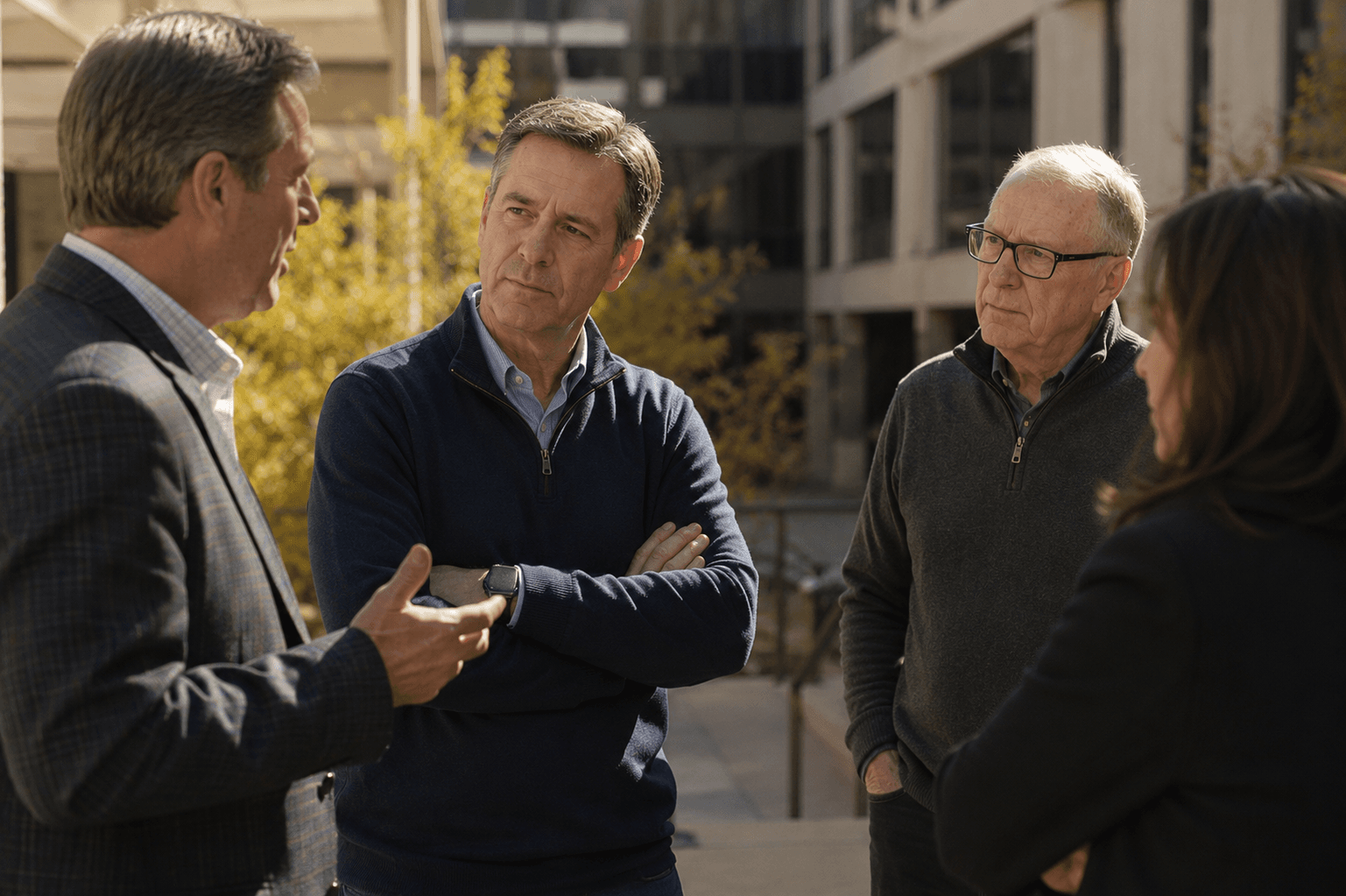
The Leadership System
Most leadership problems are not talent problems
Better leaders alone rarely produce organizational change. Development creates lasting impact when it improves both individual capability and the conditions leaders operate within.
Element
Individual judgment
Element
Team dynamics
Element
Management expectations
Element
Organizational trust
Element
Conditions for execution
Who This Is For
This work is most valuable when leadership capability has become a limiting factor
Newly promoted leaders are struggling to adapt
Leadership teams are experiencing conflict or misalignment
Managers need stronger coaching, communication, and decision-making skills
High performers are being prepared for larger responsibilities
Trust between leaders, teams, or departments is weakening
Organizational growth has outpaced leadership capability
AI and organizational change are increasing leadership complexity
How We Work
Not leadership training for its own sake. Capability development connected to real challenges
01
Understand the Context
Leadership challenges rarely exist in isolation. We begin by understanding the pressures, structures, and team dynamics shaping how leadership actually works here
02
Assess Capability and Dynamics
We identify strengths, development opportunities, team patterns, and organizational conditions influencing leadership performance
03
Develop Leaders and Teams
Through coaching, assessment feedback, facilitation, and applied development support, we build capability around the real challenges leaders face
04
Reinforce the Leadership System
The goal isn't individual improvement alone. The goal is a stronger leadership system that develops capability over time
Why Leaders Trust This
Grant Tate has played a pivotal role in developing executive leadership skills at Indoor Biotechnologies. His work with senior scientists has been analytical, goal oriented, and has substantially developed these individuals as leaders.
Martin Chapman
President and CEO, InBio
Typical Engagements
Executive Coaching
Supporting leaders navigating growth, complexity, transition, or organizational change
Leadership Team Development
Improving alignment, trust, accountability, communication, and collective performance
Management Development
Building leadership capability among supervisors, managers, and emerging leaders
Leadership for the AI Era
Preparing leaders to guide experimentation, manage risk, and lead effectively in AI-enabled organizations
What Leaders Ask Us
Frequently Asked Questions
Both. Many engagements involve a combination of individual coaching and team development, depending on where the leadership challenge actually lives
Traditional training often focuses on individuals in isolation. We focus on individuals, teams, and the organizational conditions affecting leadership performance
Yes. Many organizations need leaders who can navigate both human and technological change at the same time
Every engagement is scoped to your organization's size and needs — there's no generic package price. We'll give you clear, specific numbers before anything begins.

Stronger organizations require stronger leadership systems
The most important leadership challenge is rarely a single individual. It is whether the organization is developing the capability needed for what comes next.